
Introduction
Poultry farming is a multibillion-dollar industry worldwide with an estimated value of over $200 billion which means there is a massive opportunity for any individual to venture into this business and prosper but are Ghanaian farmers truly benefitting from this ginormous industry?
Overview of poultry production in Ghana
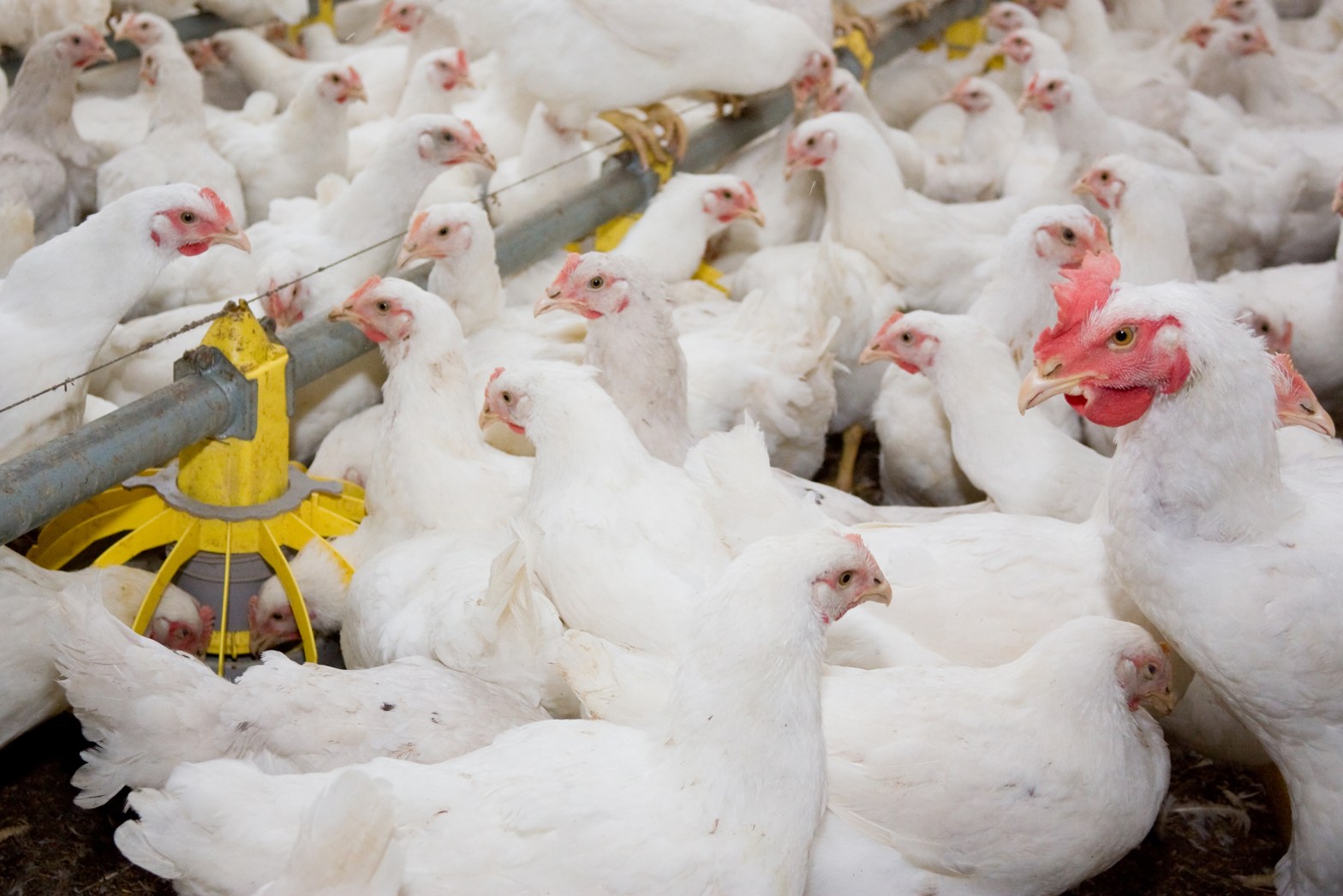
The demand for meat and eggs in Ghana keeps rising significantly as our economy grows. For egg production, Ghanaian farmers dominate the market with almost no competition against them but when it comes to broiler production, Ghana is dangerously lagging and this must be considered a threat to national progress. According to the Ghana Business News website, Ghana imported 135,000 metric tonnes of frozen chicken from the European Union in 2017: the value of these imports is pegged at over $150 million. This excessive and unnecessary importation of imported and mostly low-quality chicken has come at a high price: a rapidly depreciating cedi and the stifling growth of local broiler production which could have produced tens of thousands of jobs every year.
We must change our mentality
In my view, most Ghanaians poultry farmers don’t dream big enough. Just recently, after doing some bookkeeping work for a client of mine, I found out that her farm was highly profitable so I suggested that she went for a bank loan to expand her business so that she could make even more money. Immediately I told her that, she began complaining that she would have to employ more workers and that she doesn’t want to pay more salaries – upon hearing that, I explained to her that for every GH₵100.00 extra salary she pays, she could obtain GH₵400 in additional profits but like most people, she didn’t listen. The problem is that many people are like her and even when there is genuine opportunity to grow and make more money, they reject it. Because of this mediocre mindset, our nation cannot produce enough chicken to meet the citizens’ demand and this has opened the floodgates for our country to be dumped with cheap and sometimes unwholesome frozen chicken from the USA, Brazil and the EU.
We must take branding and marketing seriously
I recently did a small survey and found that out of 100 people I sampled, about 95% of them said that they preferred the locally reared broilers to imported frozen chicken because the former tastes better and is of higher quality but still broiler farmers in Ghana complain of low sales volumes sometimes during festive occasions. Even though we cannot necessarily compete on price with foreign players yet, not all customers base their purchasing decisions on price alone. Go around, move from office to office, especially government workers’ offices and you’ll be surprised as to how many people will be interested in your products. But as always, start with a small number of birds so that you can effectively test the market and perfect your marketing skills. Also, try and take advantage of social media and the internet. At least, you must have a Facebook page dedicated to your farm so that you can reach more customers.
The Government must do more for poultry farmers
To be honest, the current government, though not perfect, has shown an intent to push Ghanaian agriculture forward. There have been numerous policies and reforms implemented to boost livestock production most notably, “Rearing for Food and Jobs” – the policy has many components but for this blog post, let me focus on broiler production; the government intends establishing ultramodern slaughterhouse facilities whereby they will purchase live broilers from farmers and process them (broilers) into the meat. By so doing broiler producers will have a ready market all year round and not necessarily have to depend on festive occasions but still there is more to be done. Mind you, I am not advocating for an immediate complete ban on frozen chicken imports. All I am saying is that the playing field must be levelled so that our local producers can effectively compete with foreign players – this can be achieved by placing higher tariffs on poultry imports and increasing subsidies on poultry feed, vaccines and medications for local farmers. Also, the government must actively support the application of science and technology by funding livestock research so that our local poultry landscape becomes highly productive and competitive.
Conclusion
Overall, the Ghanaian poultry sector is evolving but it is a shame that our local farmers are restricted to only the sale of eggs. I believe the measures highlighted above if properly implemented could help boost the poultry industry of Ghana, create thousands of jobs, and contribute to the overall economic growth of the country.
 Pkom
Pkom 